

Awarded: Best Organizational Culture Consultant in the San Francisco Bay Area of 2026 — Read the announcement
Principal & founder
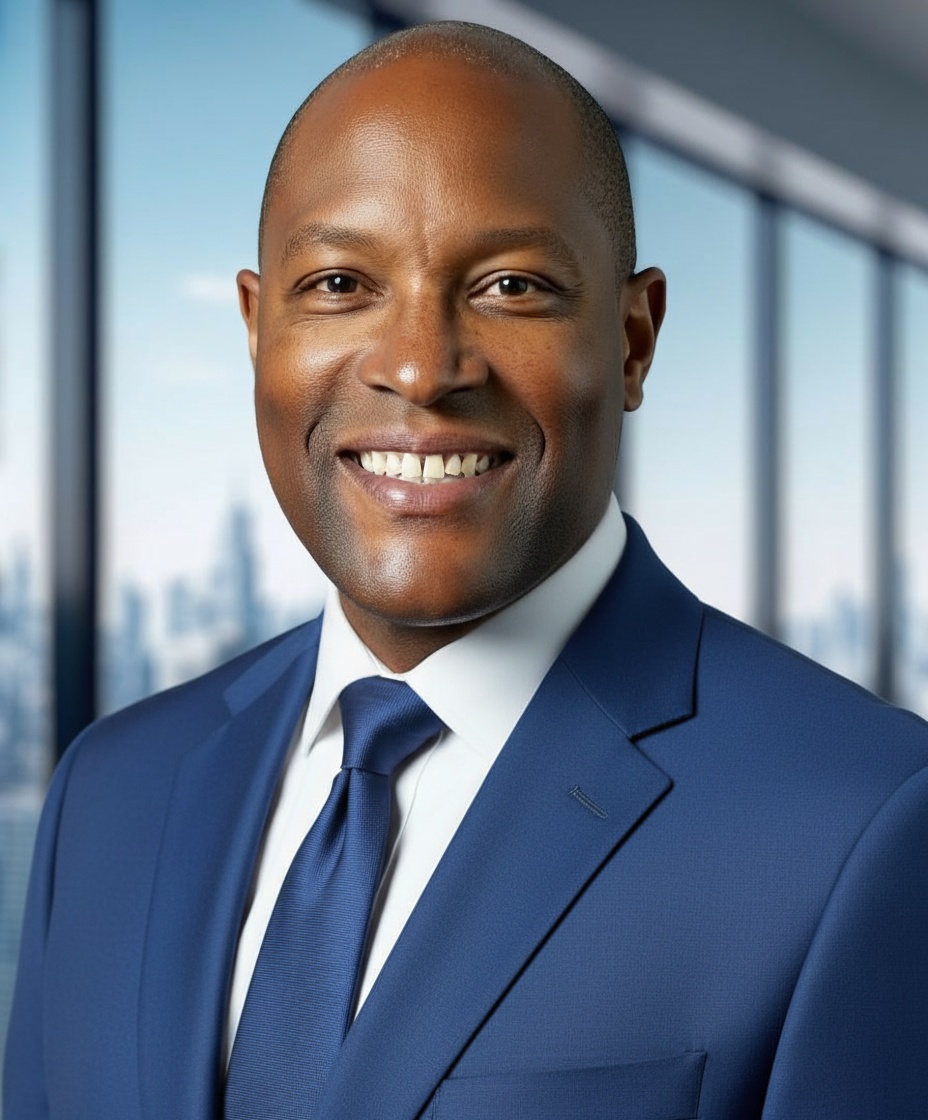
Quincy K. Ruffin, Ed.D.
Educator, applied researcher, organizational-culture practitioner, author, curriculum designer, and public-safety leader — and the principal behind the Doctor Ruffin brand.
Biography
Field experience, research, and design
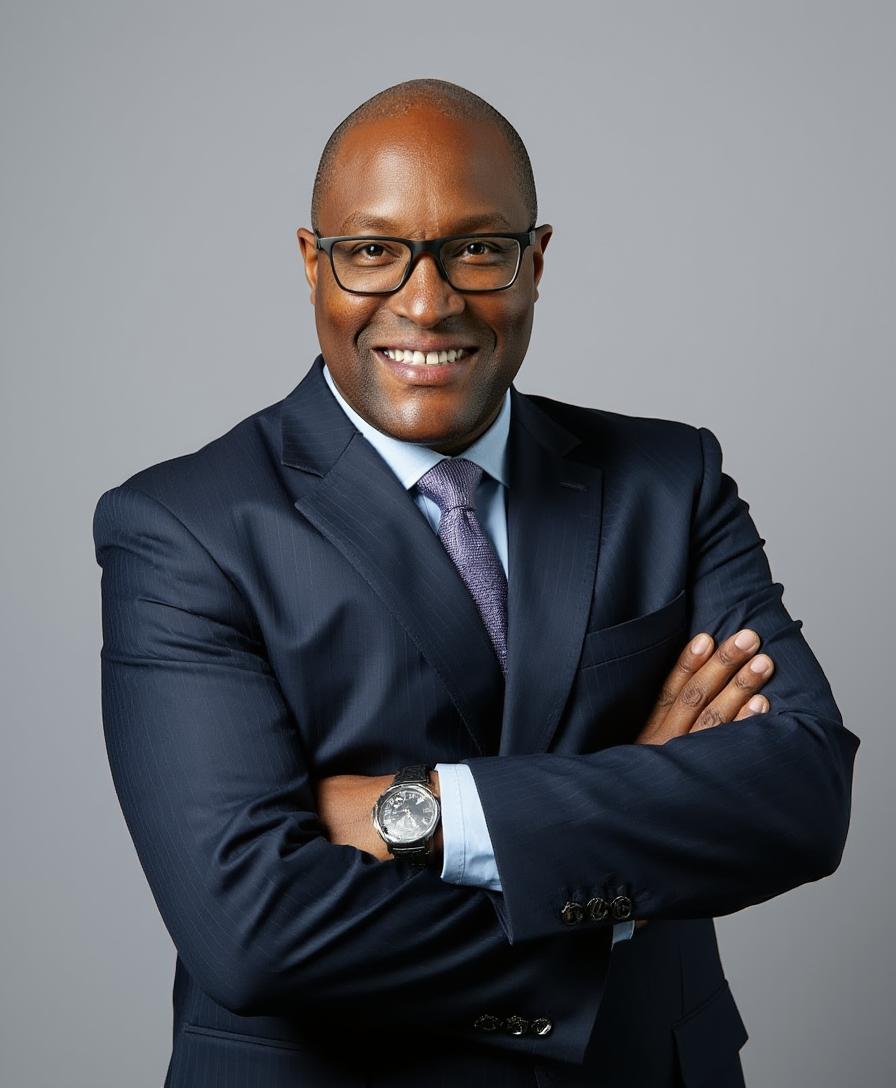
Quincy K. Ruffin, Ed.D. is an educator, applied researcher, organizational-culture scholar-practitioner, author, public-safety leader, and curriculum designer. He is the creator of Cultural Current Theory and the Bridge-Shield Paradox, the two frameworks that organize the consulting, coaching, and learning work carried under the Doctor Ruffin brand.
He has worked inside the institutions he studies. His organizational leadership experience in law enforcement includes service as a police officer and detective, a police supervisor, and a district attorney inspector — leadership formed in operational conditions rather than modeled from a distance.
His doctoral research examines perceptions of dual allegiance and self-categorization among Black police officers in a San Francisco Bay Area police department, conducted as a holistic single case study. That work sits at the center of his broader interest in how people negotiate identity inside institutions that ask them to belong to two things at once.
His teaching and curriculum work spans higher education, medical education, public safety, and professional training, as an adjunct professor, a graduate medical education curriculum designer and guest instructor, a public-safety instructor, and an invited lecturer. Alongside that teaching, his publication and presentation work includes peer-reviewed research, framework papers, and invited sessions for academic, clinical, and public-sector audiences.
His research interests include organizational culture, institutional identity, self-categorization and identity negotiation, belonging, implicit bias, stereotype threat, communication, culturally responsive leadership, and institutional change.
His distinctive value is the intersection: field experience, research, leadership, learning design, and applied systems development in one practice. That is why the same principle shows up in a culture diagnostic, a leadership curriculum, and a fleet readiness dashboard — structure shapes behavior, and behavior shapes outcomes.
"Because you cannot drift your way to impact."
Recognition
Awarded — Best of Best Review 2026
Doctor Ruffin was named Best Organizational Culture Consultant in the San Francisco Bay Area of 2026 by Best of Best Review.
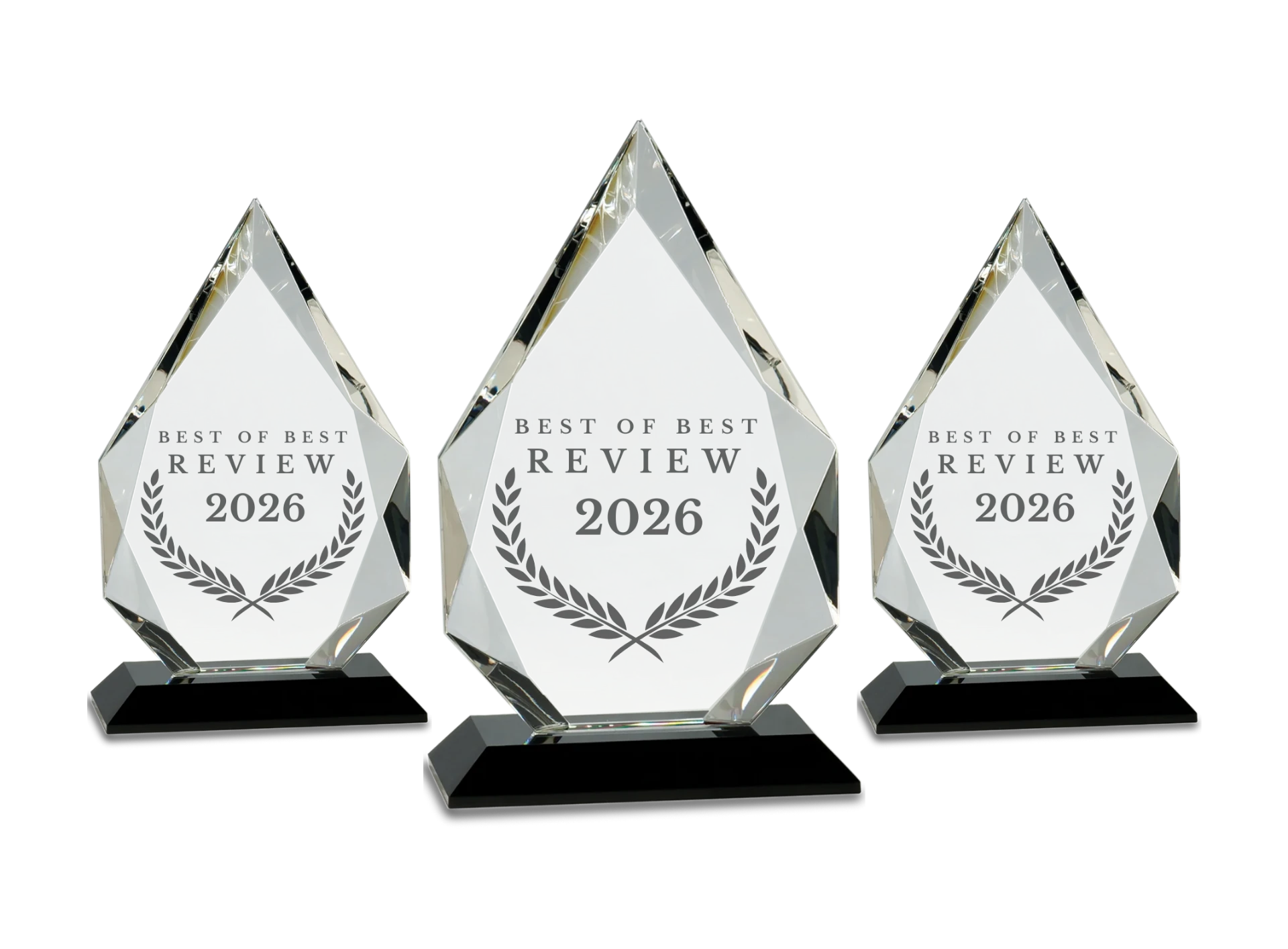
Best Organizational Culture Consultant in the San Francisco Bay Area of 2026
Awarded by Best of Best Review, recognizing Doctor Ruffin's work in culture diagnostics, leadership development, and applied organizational research.
Read the announcement
Credibility
Practice Meets Scholarship
Four capabilities that operate together rather than in sequence.
Public Safety Leadership
Police officer and detective, police supervisor, and district attorney inspector — leadership formed in operational conditions, not modeled from a distance.
Organizational Research
Applied research on organizational culture, institutional identity, self-categorization, belonging, and institutional change, culminating in a doctoral case study.
Curriculum & Teaching
Adjunct professor, graduate medical education curriculum designer and guest instructor, public-safety instructor, and invited lecturer.
Applied Systems Builder
Learning platforms, fleet operations software, and digital tools that turn frameworks into systems organizations can actually run.
Research interests
What the research examines
- Organizational culture
- Institutional identity
- Self-categorization and identity negotiation
- Belonging
- Implicit bias
- Stereotype threat
- Communication
- Culturally responsive leadership
- Institutional change
Doctoral research
Exploring Perceptions of Dual Allegiance and Self-Categorization Among Black Police Officers in a San Francisco Bay Area Police Department
A holistic single case study. Baylor University, 2026.
The business
What Doctor Ruffin builds
Each solution family stands on its own and shares the same research-informed approach.
Technology
Fleet Systems
Fleet readiness and management software for public-safety and organizational fleets.
- Assignment and checkout
- Condition reporting
- Fleet-manager oversight
Learning
Learning Systems
Customizable learning, coaching, training, and knowledge-management systems.
- Leadership development
- Public-safety training
- Evidence-informed microlearning

Catalog
Digital Products
Books, guides, and toolkits for leaders, agencies, and lifelong learners.
- Leadership & culture
- Public safety
- Guides & toolkits
Consulting
Cultural Current Consulting
Organizational culture analysis and leadership development built on the Cultural Current framework.
- Culture analysis
- Implicit bias education
- Procedural fairness & public trust
Work with Doctor Ruffin.
Consulting, technology, learning systems, and speaking engagements — start with a conversation about the outcome you need.